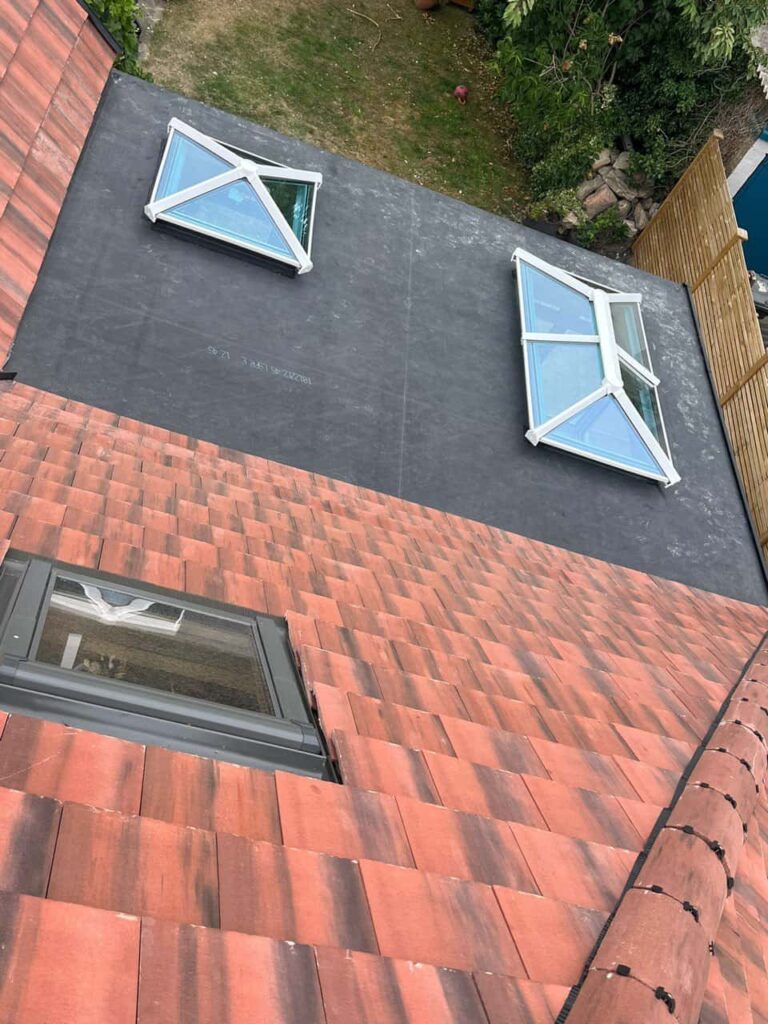
Strong winds are one of the most common causes of roofing damage across the UK. While many homeowners expect heavy rain to be the main threat to their roof, wind can often cause just as much damage, particularly when roofing materials have already begun to age or weaken. In Whetstone, Lincolnshire, periods of strong wind can expose hidden vulnerabilities and quickly turn minor roofing defects into major problems.
At Whetstone Roofing Repairs, we regularly help homeowners identify and repair wind-related roof damage before it leads to more serious structural issues. Understanding what strong winds can really do to a roof can help property owners recognise potential problems early and protect their homes from unnecessary damage.
How Wind Affects a Roofing System
A roof is designed to withstand normal weather conditions, but strong winds create pressure across the entire roofing structure. As wind flows over the roof, it can lift, loosen, and strain various components.
This pressure can affect:
- Roof tiles and slates
- Ridge tiles
- Lead flashing
- Roof valleys
- Fascias and soffits
- Guttering systems
Even roofs that appear to be in good condition can suffer damage during periods of severe weather.
Missing and Displaced Roof Tiles
One of the most common consequences of strong winds is tile displacement. Wind can gradually loosen roofing materials over time, particularly if tiles have already weakened due to age or weather exposure.
This may result in:
- Slipped roof tiles
- Cracked tiles
- Missing sections of roof covering
- Exposed underlay and roof structures
Once tiles are displaced, the roof becomes more vulnerable to water ingress during rainfall.
Ridge Tile Damage
Ridge tiles sit along the highest point of the roof and are often exposed to the strongest wind forces. Over time, wind can weaken the mortar securing these tiles, causing movement or instability.
Signs of ridge tile problems include:
- Visible gaps in mortar
- Loose ridge sections
- Cracked ridge tiles
- Uneven roof ridgelines
Prompt repairs help prevent larger sections from becoming detached during future storms.
Flashing Can Become Loose
Lead flashing is used to seal vulnerable roof areas such as chimneys, valleys, and wall junctions. Strong winds can gradually lift flashing or loosen fixings, allowing rainwater to penetrate beneath the roofing system.
Damaged flashing can lead to:
- Roof leaks
- Moisture entering loft spaces
- Damp patches on ceilings and walls
- Long-term structural deterioration
Because flashing damage is often difficult to spot from the ground, professional inspections are recommended following severe weather.
Wind-Driven Rain Increases the Risk of Leaks
Strong winds rarely occur alone. Wind-driven rain can force water into small gaps that would not normally allow moisture to enter the roof.
This can affect:
- Roof joints
- Tile overlaps
- Chimney flashing
- Roof valleys
Even minor defects can become significant entry points when exposed to high winds and heavy rainfall simultaneously.
Gutters and Fascias May Also Be Affected
The impact of strong winds is not limited to the roof covering itself. Guttering, fascias, and soffits can also become damaged during severe weather.
Potential issues include:
- Detached gutter sections
- Bent brackets
- Loose fascia boards
- Reduced drainage performance
These components play an important role in protecting the property from water damage and should not be overlooked.
Small Problems Often Worsen Quickly
One of the biggest risks associated with wind damage is that seemingly minor issues can deteriorate rapidly. A single loose tile today can become a major leak after the next storm if left unresolved.
Early repairs help prevent:
- Water penetration
- Structural damage
- Dampness within the property
- Larger areas of roof deterioration
Addressing problems promptly is often the most effective way to protect the roof.
Why Roof Inspections After Storms Are Important
Not all wind damage is immediately visible. Some problems develop beneath the surface or affect areas of the roof that cannot be seen from ground level.
A professional roof inspection can identify:
- Loose or displaced tiles
- Damaged flashing
- Weakened ridge tiles
- Early signs of moisture penetration
- Structural concerns caused by storm exposure
Regular inspections provide peace of mind and help prevent hidden issues from worsening.
Why Choose Whetstone Roofing Repairs?
At Whetstone Roofing Repairs, we provide:
- Professional storm damage inspections
- Roof tile and slate repairs
- Ridge tile and flashing repairs
- Roof maintenance and leak detection
- Reliable roofing services throughout Whetstone, Lincolnshire
Our experienced team is committed to helping homeowners maintain strong, weather-resistant roofs that can withstand the challenges of the UK climate.
Conclusion
Strong winds can cause far more damage to a roof than many homeowners realise. From displaced tiles and damaged flashing to ridge tile movement and water ingress, wind-related roofing problems can develop quickly and worsen if left untreated. Regular inspections and prompt repairs are essential for maintaining the integrity of the roofing system.
For homeowners in Whetstone, Lincolnshire, professional roofing maintenance and storm damage assessments provide valuable protection against the effects of severe weather. At Whetstone Roofing Repairs, we are dedicated to delivering expert roofing services that keep homes safe, secure, and protected throughout every season.
Call us on: 0116 478 6791
Click here to find out more about Whetstone Roofing Repairs
Click here to complete our contact form and see how we can help with your roofing needs.